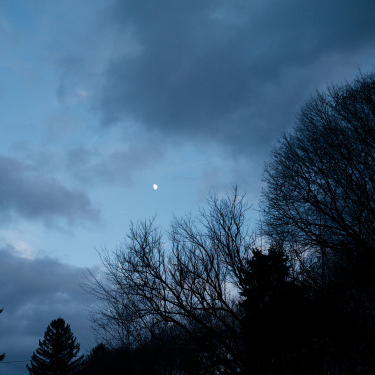
The Gloaming: That magical time between day and night, when the sun has already set, but the sky is still light, where the shadows have grown darker, and the day colder.
A dear friend, asked me what the name of my blog was going to be. When I told her that it was going to be called Gloamingology she just laughed and looked at me like I was completely insane. I didn’t take offence because I knew why she was laughing. I have a habit of making things stupidly complicated, just because I can and also because it’s fun.
So what is Gloamingology? It’s about understanding the rules of fibre crafts, whether that’s sewing, crochet, knitting, spinning and then knowing how and when to break them, about finding the magic in the materials that you use.
I can do all sorts of crafts to a reasonable level, but really my artistic talents are around crochet.
When I first started crochet I was obsessed, as many beginners are, with making all the things, as many super-simple fast makes as possible. Fast meant thicker, bigger hooks and double stranding. It was skipping anything that listed tensions squares, and turning granny squares into everything possible.
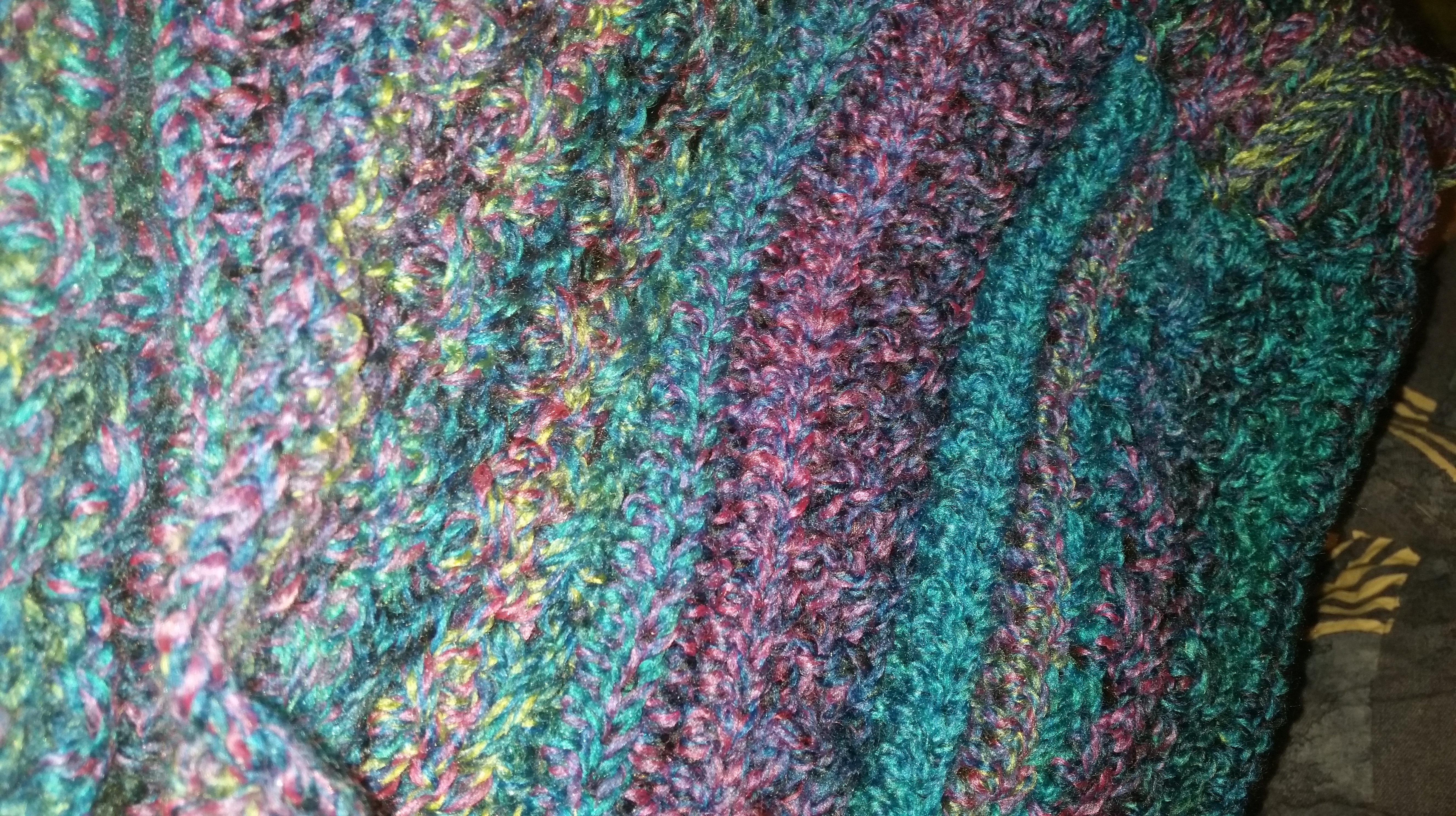
It was so exciting, my eyes really were opened. I’d look around and see something I liked and I’d have the thought … “I could make that with Crochet!!!” Back then I couldn’t knit either, so it was constantly trying to find ways to make one fabric look like another or work out how to accomplish something I’d “Pinned” with a totally different craft.
I lived and breathed cheap acrylic and big bundles of cheap hooks in every possible size, and a whole heap of tiny tools that I didn’t have any idea how to use.
The downsides of this were many, the ever increasing demand for supplies, shoddy items that never quite looked right, running out of people to give the simple, fast and lets be honest terrible finished products too. Slowly but surely I started to develop an understanding of where things were going wrong, why things weren’t working, and what the solutions were.
The start of this process really was learning about foundationless crochet. It was a revelation, not just the technique but the idea that you think about the end use of the item before you decide on how to get there. I mean, I know I picked patterns, and went on and followed them, but I’d discovered that often the patterns I was finding hadn’t thought of the intended use of the item either.
Once I had learned and understood the advantages, uses and applications of foundationless crochet, I started to look at patterns anew. From that point on, every time I used a commercial pattern that started with a chain, where the foundationless stitch would be of use, I used it. My results improved.
The thing is, as time went on, I couldn’t understand why other designers didn’t automatically use these techniques either, and it was then that I understood that the ever increasing wave of beginners were demanding simple, and that’s what designers were giving them.
You can do a google search for advanced crochet, and probably the best you will come up with are things using crocodile stitch, or larger items that take time, or fitted items, lace etc. But the techniques used aren’t advanced. So where are the voices of the accomplished fibre artists? Where are the discussions on the different types of fabric, and picking the best craft, materials and tools to get your desired end result?
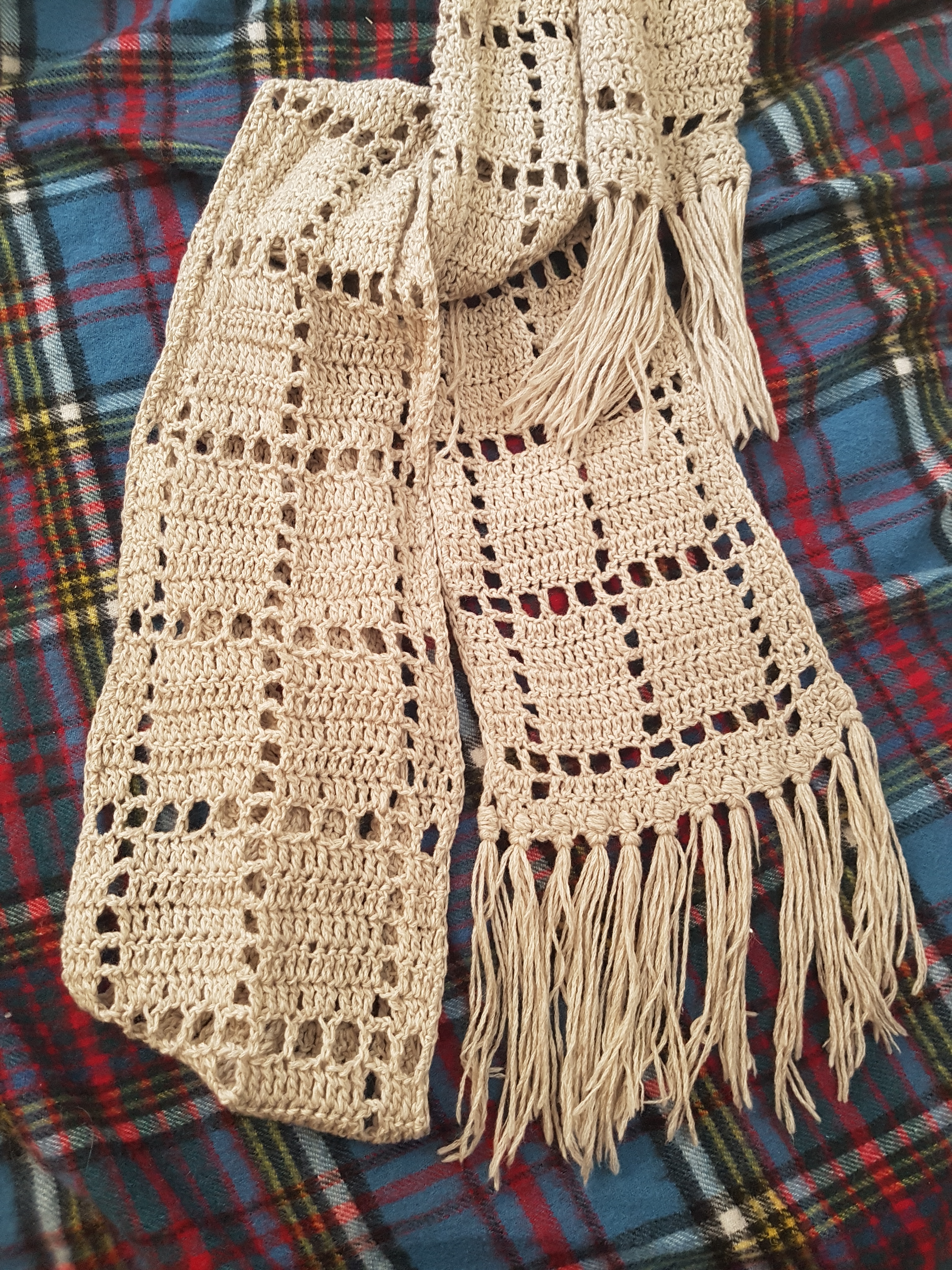
So, Gloamingology, it’s about moving on from simple, learning what you need to learn to craft well, identify which rules are getting in your way and most importantly, thinking of crochet as creating fabric, and making sure that the fabric you are creating is fit for purpose.
Let’s stand up to stretchy bag handles, banana shaped scarves, shapeless sack sweaters, and badly executed novelty items.
Let’s shoot instead for unique items, one offs, things with a story, created with thought and experimentation but ultimately beautiful items crafted well that are durable and usable.
 Gloamingology